
How to Choose Walking Boots for Muddy Forest Trails
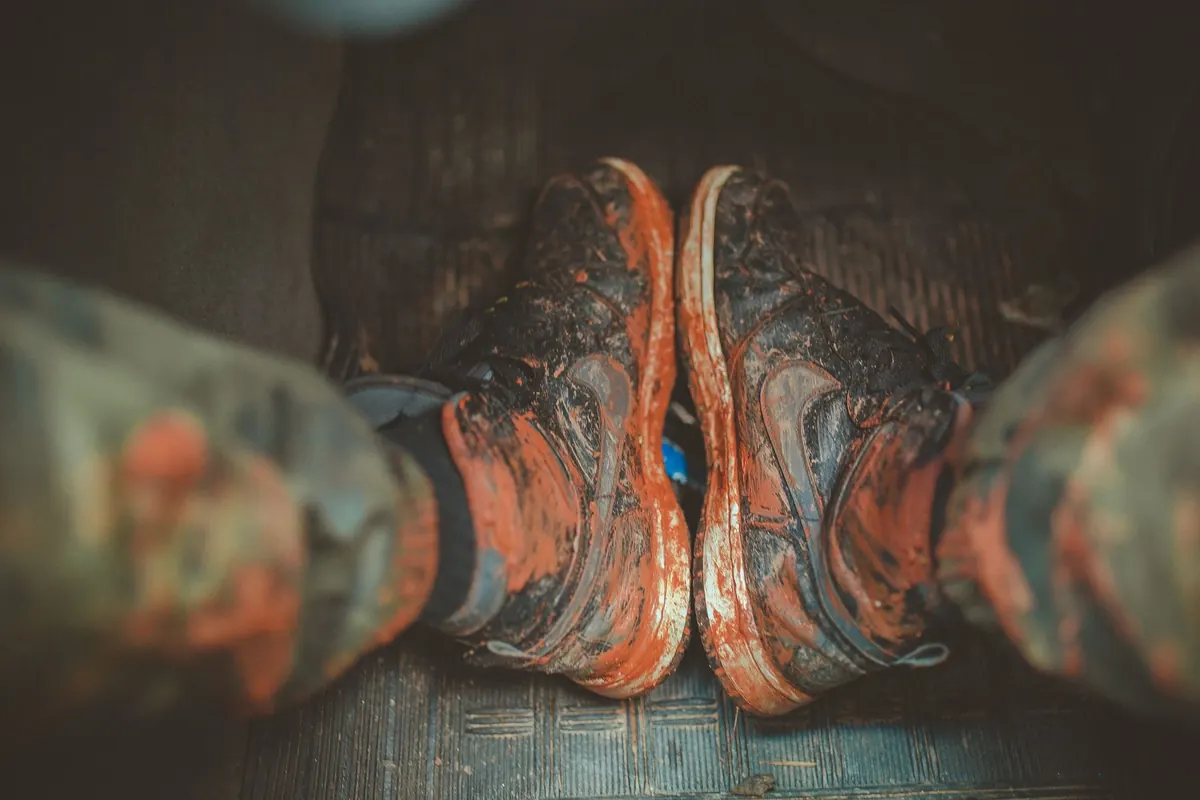
A forest path after rain is a different animal. The leaf litter that crunched underfoot last week now slides over clay; a shallow puddle hides a rut; roots appear where you remembered none. Boots that felt fine on a dry gravel track can suddenly feel vague, heavy, or cold. Choosing walking boots for muddy woodland is not about buying the most aggressive pair on the shelf. It is about matching three things—grip, ankle support, and waterproofing—to the wet, rooty, often slow ground you actually walk on.
Read the Trail Before You Read the Spec Sheet
Start with the mud you know. Is it deep, sucking clay that tries to steal a boot? Is it a thin skin of leaf litter over hard earth? Or is it a long, boggy stretch of grass and rushes? Each calls for a slightly different balance.
Walk your favourite loop after rain and pay attention. Notice where you slip: wet roots, a sloping boardwalk, the slick clay at the gate. Notice where water gets in: long grass, shallow puddles, a stream crossing. Notice where your ankles work hardest: tussocks, fallen branches, rutted ground.
If your walks are short and mostly flat, you may not need a stiff, high boot. If you carry a pack, walk alone in remote woodland, or spend hours on uneven ground, support and protection matter more. The trail should shape the choice, not the other way around.
A useful exercise is to compare two local routes rather than one. A flat riverside wood may reward a light, flexible boot with a moderately deep sole. A steep oak wood with exposed roots, muddy switchbacks, and a stile at every field boundary may demand a firmer platform and more ankle protection. If you often walk the same route in winter, think about the worst section, not the average one. The boot has to get you through the boggy corner and the greasy descent, not just the pleasant first mile.
Grip: Lugs, Rubber, and Mud That Lets Go
The outsole is your first safety feature. For muddy forest trails, look for deep, widely spaced lugs rather than a fine, shallow tread. Deep lugs bite into soft ground; wide spacing lets mud clear instead of packing into the sole and turning it into a slick. A lug depth in the region of 4–5 mm is a practical starting point for general woodland mud. Very deep fell-running studs can feel clumsy on roots and boardwalks, while shallow trail shoes may skate over clay.
Pattern matters as much as depth. A heel brake helps on descents, and a slightly rounded toe lets you roll over roots. Some soles use a sticky rubber compound that grips wet rock and roots well but wears faster on hard tracks. Harder rubber lasts longer but can feel skittish on wet wood. If your woodland has many wet roots and boardwalk sections, a softer compound and a moderately aggressive pattern is a sensible compromise.
Test what you can. In a shop, stand on a wet, sloping surface if one is available. Press the sole into a muddy patch and see whether the mud clears or clogs. A good boot should feel sure underfoot without making you feel like you are walking on crampons.
Sole Clues That Matter
- Lug depth: enough to bite into soft mud, but not so much that every root feels like a ladder rung.
- Spacing: wider gaps clear mud better than tight, fine patterns.
- Heel brake: a defined heel edge adds control on wet descents.
- Rubber feel: sticky compounds suit wet roots and rock; harder compounds suit long miles on tracks.
- Toe shape: a little roll at the front helps you move over roots and ruts without stubbing.
Ankle Support: How Much Do You Actually Need?
Ankle support is not a simple more-is-better scale. A low-cut shoe can be fine for firm paths and short walks. A mid-cut boot gives some protection against roots and odd sideways moments. A high cut adds more support and keeps debris out, but it can feel restrictive on easy ground.
The support comes from the whole package: a stable heel counter, a sole that does not twist too easily, secure lacing, and a fit that holds your heel down. A tall boot that is too wide will not support you; a mid boot that fits well can feel more secure than a sloppy high one. If you carry a pack or walk regularly on rutted, rooty ground, a mid-cut is a sensible default. If you have a history of ankle injuries, get advice from a physiotherapist or an experienced boot fitter; a boot is not a brace.
A simple shop test is to stand on one foot and lean gently side to side. You want a boot that resists rolling without feeling like a cast. Then walk across a sloped ramp if the shop has one. If your ankle collapses inward or the heel lifts, the fit or the support is wrong for you.
Waterproofing: Membranes, Leather, and the Soggy Reality
Muddy woodland is hard on waterproofing. Wet grass, puddles, splashback from your own steps, and rain all attack from outside. Sweat attacks from inside. A waterproof membrane can keep water out, but it can also make a boot clammy if the fit is poor or the boot is too warm for the season.
Full-grain leather can be treated and repaired, and it molds to your foot over time. Synthetic boots often dry faster and need less care, but they may not last as long. Look for a gusseted tongue, sealed seams, and a membrane that suits your use. A water-repellent finish helps, but it needs renewing. No boot stays waterproof if water comes over the top, so gaiters are worth considering for wet grass and deep puddles.
Care matters. Knock mud off after a walk, rinse the boots, and dry them slowly away from direct heat. Brush the uppers and re-proof them when water stops beading. A waterproof boot with poor grip is still a poor choice for mud; treat waterproofing as one part of the system, not a substitute for traction.
Fit and Lacing: Where Most Boot Choices Are Won
Even the best sole cannot save a boot that rubs. Try boots late in the day, when your feet are slightly larger, and wear the socks you will actually walk in. Thick socks change the fit, so test with them.
Use a simple fit check:
- Kick the toe of the boot into a step. Your toes should not hit the front; you need a little room to move.
- Walk up and down a ramp. Your heel should stay down without pressing hard against the back.
- Check the width at the ball of your foot. If it pinches, try a wider fit or a different model.
- Lace the boot from the bottom, then use a heel-lock or runner’s loop if your heel lifts or the instep feels loose.
- Wear the boot for several minutes. Small pressure points do not usually vanish on the trail; they become blisters.
Lacing is an underrated adjustment. A snug lower section holds the foot over the sole; a slightly looser upper section allows the ankle to flex on climbs. If the boot has a deep heel pocket and a good tongue, you can often fine-tune the fit without changing size. If the heel still lifts after lacing, try another model rather than hoping a thicker sock will solve it.
Socks, Gaiters, and the Wet-Weather System
Boots do not work alone. Socks are part of the fit and the comfort system. Avoid cotton, which holds water and cools the foot; choose wool or a synthetic blend that wicks and stays warm when damp. For muddy winter walks, a thin liner sock under a medium walking sock can reduce friction, while a thicker sock may fill out a roomy boot in summer. Take your usual socks to the shop.
Gaiters are especially useful in woodland. They keep mud, leaf litter, and twigs from dropping into the boot, and they protect the top of the foot from wet grass. Short ankle gaiters are enough for many lowland woods; longer gaiters suit boggy moorland edges and deep puddles. They also help when water comes over the boot’s collar—something no membrane can prevent.
A Simple Buying Sequence
When you reach the shop, follow a consistent routine so you compare boots fairly:
- Bring the socks and pack weight you normally use.
- Try boots late in the day, when your feet are at their largest.
- Check length, width, heel hold, and toe room before looking at the sole.
- Walk on any ramp or uneven surface the shop offers, and lace the boot as you would on the trail.
- Compare two or three models by feel and fit, not by price alone.
The best boot for muddy forest trails is the one that keeps your heel down, lets your toes move, bites into soft ground, and clears mud without turning into a clog. Buy for the trail you actually walk, care for the boots properly, and they will make wet woodland feel far less like an obstacle course.
Photo: Lucas Pezeta / Pexels