
7 Common Mistakes First-Time Foragers Make in Woodland
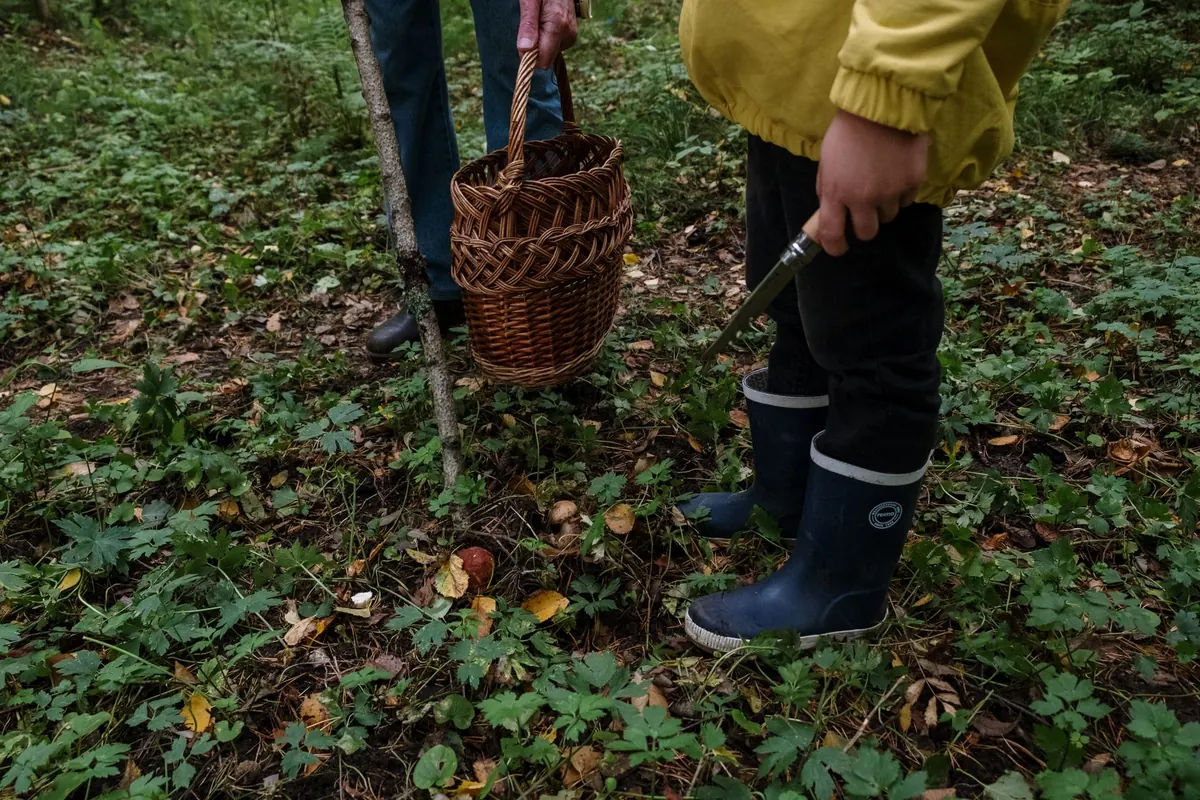
Woodland foraging has a way of making people hurry. The first patch of wild garlic or a flush of mushrooms can feel like a discovery, and the urge to fill a bag is strong. I still remember my own first spring: a whole shaded bank of broad green leaves, a bag that filled in ten minutes, and a nagging doubt on the walk home. Some of those leaves were not what I thought they were. Nothing bad happened, but the lesson stuck. Most first-season mistakes are not dramatic. They are small decisions about identification, permission, quantity and timing. Each one is easy to correct. The seven below are the ones I see most often, and the fixes are straightforward.
Mistake 1: Identifying a Plant or Mushroom by One Feature
Leaves are the usual culprit. A new forager learns that wild garlic has broad, smooth leaves and then picks anything that looks similar. But leaf shape alone is not enough. Wild garlic leaves grow from a bulb, appear in dense patches in damp woodland, and release a strong garlic smell when crushed. Two of its most common lookalikes in the same habitat — lily of the valley and lords-and-ladies — have leaves that can fool a hurried eye, and both are toxic. The crushed-leaf smell test separates them quickly, because wild garlic smells unmistakably of garlic and the others do not. But smell is still only one feature, not a licence to pick.
Mushrooms are even less forgiving: a cap colour or gill pattern can match a guidebook photo while the stem, habitat or season points to something else. A single feature, however striking, tells you almost nothing on its own.
Build a habit of checking several features before you pick. Use a field guide, and if you are new, go with someone experienced. For mushrooms, that means learning from a qualified forager or mycologist. No app or photograph replaces a careful, local identification. If any feature does not fit, leave it. There is always another walk.
A quick identification check
- Look at the whole plant or fruiting body, not just the leaf or cap.
- Note where it grows: soil, tree roots, damp hollow, hedge bank.
- Check the season and weather; timing narrows the possibilities.
- Smell a crushed leaf or clean mushroom stem where safe to do so.
- Compare against at least two reliable features, not one matching detail.
- Ask yourself what the lookalikes are, and rule them out one by one.
If you are unsure, do not eat it. For mushrooms especially, confirm with a qualified expert. If someone becomes unwell after eating an unidentified species, seek medical advice promptly and keep a sample or photograph of what was eaten.
Mistake 2: Assuming Wild Means Free to Take
Woodland that looks unowned often is not. A track may cross private land; a reserve may have its own rules; a verge may be managed by a council. Picking without permission can damage relationships and, in some places, break local bylaws or protected-species rules. Before you fill a bag, find out who manages the land and what is allowed. Ask if you are unsure. On many sites, foraging for personal use is tolerated but commercial picking is not; on others, any picking is discouraged. Keep the rules simple: ask first, follow notices, and leave protected plants alone. If you plan to sell or forage regularly, check the local regulations and take professional advice where needed.
The social side matters too. A forager who strips a well-known local patch without asking is remembered for years, and that reputation makes permission harder for everyone who follows.
Mistake 3: Taking Too Much Because It Is There
Abundance is not an invitation to strip a patch. A single wild garlic colony may look endless, but it can take years to recover from heavy picking. The same is true of slow-growing woodland plants and many fungi. Take only what you will use, and leave plenty behind. For leaves, pick a few from each plant rather than cutting whole clumps. Leave flowers and roots. For mushrooms, leave some mature fruiting bodies to release spores, and handle them gently so the woodland floor is not torn up.
A useful rule of thumb is to take no more than a third from any one patch, and to move on rather than working the same ground twice in a season. Another test: if the patch would look untouched to someone walking behind you, you have taken about the right amount. Overharvesting is not just unfair to the next forager; it removes food and habitat from insects, birds and mammals.
Mistake 4: Trampling the Habitat You Came to Enjoy
Woodland floor is fragile. Moss, lichen, seedlings and fungi live in the top few centimetres of soil, and repeated footsteps can compact it or break it apart. New foragers often step off the path to reach a better patch, kneel heavily, or pull plants up by the root. Stay on paths where you can, reach from the edge, and kneel on a mat or a folded jacket if the ground is soft. Do not uproot plants unless the species and the site rules allow it. Keep groups small. A quiet, careful visit leaves the wood in better shape than a busy one, even if you go home with less.
Mistake 5: Foraging in the Wrong Places
Location matters as much as identification. Busy roadsides collect exhaust and tyre dust. Fields and verges may be sprayed. Dog-walking spots are not ideal for low-growing greens. Industrial edges and run-off channels can carry contaminants. Even a beautiful woodland can be a poor choice if it is next to a treated field or a busy road. Check the wider landscape before you pick. Wash what you bring home, and avoid anything that looks coated, wilted or unusual. If you are unsure about contamination, do not eat it. For health concerns, ask a qualified professional.
Mistake 6: Rushing the Season
Every species has its window. Wild garlic leaves are best before the plant flowers; nettles are tender before they set seed; many mushrooms appear after warm rain and then fade. New foragers sometimes arrive a fortnight early, find nothing worth taking, and write the spot off. Others arrive late and pick tough, bitter leaves that have already done their job for the plant.
Slower foraging pays. Walk the same wood through the year and note what appears when. A patch that looks empty in early March may be covered in wild garlic by April and full of hedge mushrooms after the first autumn storms. Timing is a skill you build, not a fact you can look up once.
Mistake 7: Failing to Keep Notes
Most first-season foragers trust their memory, and most memories are worse than they think. Six months later, the exact slope where the oyster mushrooms grew becomes a vague feeling about "somewhere near the big oak". A small notebook — or a notes app on your phone — turns a lucky find into a repeatable one. Record the date, the weather, the habitat, the species, how confident you felt, and what you left behind. Add a photograph of the whole plant and one of the detail that clinched the identification.
Over a season those notes become your own local guide, far more useful than a generic book written for a different region. They also show you what you got wrong. Go back through old entries and you will spot the trip where you were too confident, or the patch you should have left alone.
A Simple First-Season Kit
- A basket or cotton bag — plastic sweats and crushes soft leaves.
- A small knife and a soft brush for cleaning as you go.
- A field guide you actually know how to use.
- A notebook and pencil for dates, places and features.
- Water, a charged phone and a map of the land you are on.
- Gloves if you are handling prickles, nettles or unknown species.
Before Anything Reaches the Kitchen
Slow down once more at the door. Ask four questions: Can I name it with confidence? Do I know where it came from and who allowed me to take it? Is it clean and fresh? And would I be comfortable serving it to someone I care about? If any answer is uncertain, the honest choice is to leave it out. Foraging rewards patience far more than enthusiasm, and the best foragers I know are the ones who come home with the least.
Photo: cottonbro studio / Pexels